How to Build US Credit as an International Student (2026 Guide)
No SSN? No problem. Learn how to build a 700+ credit score from scratch so you can rent apartments, lease cars, and get approved for premium rewards cards.
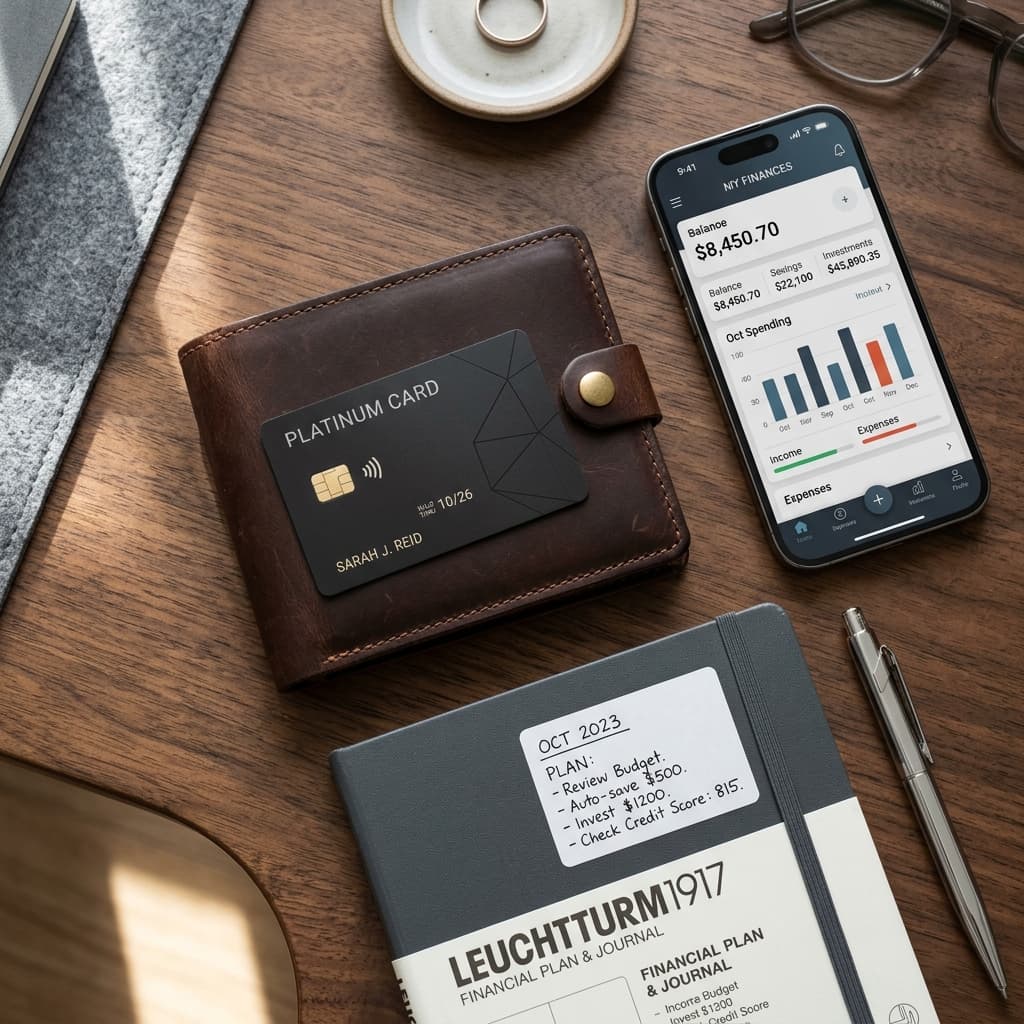
In the United States, your credit score is your financial reputation. Without a good credit score, you will struggle to rent an apartment, you will pay massive deposits for utilities, you won't be able to lease a car, and you will be denied the best credit cards. For F-1 international students, building credit is a catch-22: you need credit to get a credit card, but you need a credit card to build credit.
Can You Build Credit Without an SSN?
Yes. This is the biggest myth among international students. You do not need a Social Security Number (SSN) to start building a US credit history.
Credit bureaus (Equifax, Experian, and TransUnion) use several data points to identify you, including your name, date of birth, and US address. Once you get your first credit card (even without an SSN), a credit file is created in your name. When you eventually get an SSN (e.g., when you start CPT or OPT), that SSN will automatically merge with your existing credit file.
Step 1: Get Your First Credit Card
Since you have zero credit history, you cannot apply for premium cards like the Chase Sapphire Preferred or Amex Gold. You will be instantly rejected. Instead, you need a "starter card." Here are the best options for F-1 students in 2026:
Deserve EDU Mastercard
Best for: Students with absolutely no SSN and no US bank history.
Deserve specifically targets international students. They use an alternative underwriting process that looks at your passport, student visa, and university enrollment instead of a credit score. It has no annual fee, no foreign transaction fees, and you don't need an SSN to apply.
Discover it® Student Cash Back
Best for: Students who have an SSN (or can get one soon) and want great rewards.
If you already have an on-campus job or CPT and got your SSN, this is the best starter card. It offers excellent cash back (including rotating 5% categories) and is famously forgiving to applicants with a "thin" credit file.
Secured Credit Cards (from your bank)
Best for: The backup plan if you get rejected everywhere else.
If you open a checking account with Bank of America, Chase, or Wells Fargo, ask a banker in person about a "Secured Credit Card." You give them a $300 cash deposit, and they give you a card with a $300 limit. After 6-12 months of good behavior, they refund your deposit and upgrade it to a normal card.
Step 2: Follow the "Golden Rules" of Credit
Once you have your first card, building a 700+ score is actually very easy, but it requires strict discipline. Follow these three rules perfectly for 6 months, and you will have an excellent score.
Pay in Full
Never carry a balance. Set up AutoPay to pay your full statement balance every single month. Never pay interest.
Keep Utilization Low
Keep your spending below 10% of your limit. If your limit is $1,000, never let your statement balance exceed $100.
Be Patient
Credit age matters. Keep your oldest starter card open forever (this is why cards with no annual fee are best for your first card).
A Warning About Hard Inquiries
Do not apply for 5 different credit cards at once. Every time you apply for credit, a "hard inquiry" is added to your report, which temporarily lowers your score. Apply for one starter card, use it responsibly for 6 to 12 months, and then apply for a premium card.
Transitioning to Premium Cards on OPT
By the time you graduate and start your OPT job, you should have an SSN and at least 1-2 years of credit history. This unlocks the world of "premium" travel and cash-back cards (like the Chase Sapphire, Amex Gold, or Capital One Venture).
When applying for these cards on OPT, you can legally state your new, full-time OPT salary as your income. This higher income, combined with your established 700+ credit score, will usually result in immediate approvals and high credit limits (often $5,000 to $10,000+).
Ready to Apply for your SSN?
If you recently secured an on-campus job, CPT, or OPT, you are eligible for a Social Security Number. Check out our step-by-step guide on how to navigate the Social Security Administration (SSA) process as an international student.